When Should Someone With Dementia Go Into a Care Home?

Deciding when someone living with dementia should move into a care home is rarely a straightforward decision. As dementia progresses, there may come a time when the level of support needed is greater than what can safely be provided at home.
Dementia affects each individual differently, so there is no single answer that applies to everyone. The right time depends on the individual, their needs, health, and the level of support from family members and carers. For some, the decision can come following a memory decline, while for others it can come after increased concern for somebody's safety and well-being
In this blog, we explore how dementia affects everyday life, the key signs to look out for, and how choosing a care home can improve quality of life for both residents and their families.
Understanding Dementia Care
An estimated 982,000 people are currently living with dementia in the UK, meaning the demand for high-quality support is growing.
Dementia care is support designed to meet the needs of a person living with dementia in a way that preserves quality of life with dignity and respect. High-quality dementia care focuses on both the physical effects that come from cognitive decline and what things bring residents living with dementia the most joy
Person-centred care in dementia care is especially important because it recognises that no two people experience dementia in the same way. A thoughtful dementia care plan should also take into account the person's history, cultural values and social connections. These details help care professionals and dementia care specialists provide a higher quality of care. They also help residents feel understood, aiding self-esteem and overall well-being. These details help care professionals and dementia care specialists provide a higher quality of care, which in turn helps residents feel understood and supported around the clock.
Signs That Suggest Dementia Care Homes Are Needed
Families often begin to consider care homes when day-to-day life starts to feel unsafe or unmanageable. Somebody living with dementia may forget to eat, forget to take their medication, struggle with personal care such as washing or dressing, or even lose confidence in familiar surroundings, which over time would suggest that they need additional support. Changes in mood and behaviour can also become a factor. Some living with dementia might become more anxious, withdrawn or unsettled when their routines are disrupted.
Others may find social situations harder to manage and begin to feel isolated, avoiding friends and family or social groups they enjoyed previously. These changes can lead to a decline in mental health and emotional well-being for both the person and those who care for them. Another sign is when carers and family members begin to feel stretched beyond what is sustainable. Approximately 8.9 million people in the UK provide unpaid care, often facing severe strain, meaning even with strong support networks, caring can become physically and emotionally demanding. If the individual has growing needs and maintaining safety becomes more difficult, a care home will provide the right care at the right time.
Why Families Consider Care Homes
Practical concerns often drive the decision to move into a care home, but it is also about protecting the quality of life. A loved one moving into a care home can help put families' minds at ease, knowing they are cared for around the clock. When someone can no longer live independently with confidence, a care home can provide daily routines, companionship and support with personal care. It can also reduce pressure on family members who may have been doing their best to manage care at home, as they can now just focus on making new memories with their loved ones while the staff takes care of the rest. However, continuing to involve families in care decisions is essential because they would be the most reliable source when it comes to knowing the resident best.
Valuable insights can be offered with regard to habits, likes, dislikes and meaningful life experiences that can help shape better outcomes for care plans, especially if the individual living with dementia doesn't have full capacity. For many families, the turning point is when the focus shifts from maintaining independence at home to making sure the person is safe, comfortable and well supported. The care team are available through every step of the journey to support families and residents through this transition and answer any questions they have.
What is Included in High Quality Dementia Support?
The highest levels of dementia support should be calm, consistent and personalised. Dementia-friendly environments are designed to create a sense of calm and familiarity. By using clear signage with consistent layouts and personalised touches, residents are able to navigate their surroundings with ease and confidence. These environments also limit noise and overstimulation, while supporting routines that feel safe. As a result, individuals living with dementia can engage more fully in daily life and experience a higher overall quality of life.
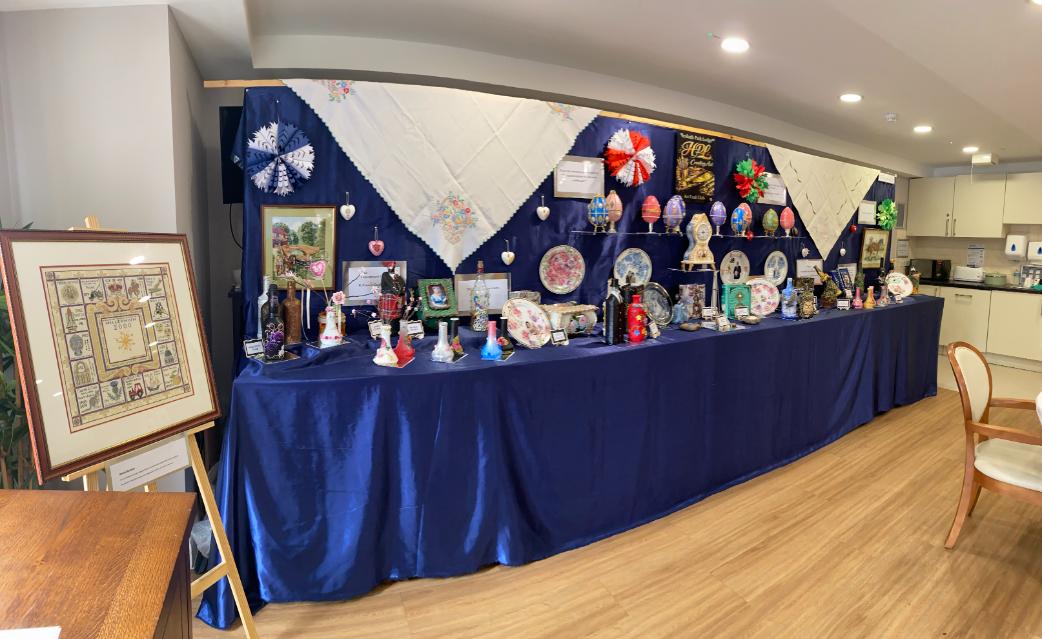
Meaningful activities also play an important role. Simple moments of social interaction, music therapy, or spending time with like-minded individuals can help a resident feel more settled. A compassionate approach also means understanding that change can be a difficult process. Moving into a care home is a transition that requires clear communication, thoughtful planning and involvement from a variety of individuals. Some care homes support residents with feeling at home by personalising their bedroom with amenities that encourage reminiscence or help to create a familiar environment. Others will support them in continuing their much-loved routines from the moment they move in. It is all dependent on each individual and what matters most to them.
The Importance of Person-Centred Care
A person-centred care approach to care is essential as dementia affects more than memory. It can also influence identity, as well as confidence, the ability to communicate and overall emotional well-being. A person-centred approach helps make sure care is built around the resident as an individual, not just managing their needs. Person-centred care in dementia care can also support better care outcomes because it takes into account all aspects of a resident's life and ensures they can maintain their independence wherever possible.
It can also help preserve dignity and self-worth with a greater sense of control. Person-centred care is built on recognising what matters to residents, including certain daily routines or maintaining regular hobbies. For many residents, that sense of being understood is just as important as any physical support.

How to Choose the Best Dementia Care Home
Arranging Personal Visits and Tours
Finding the right care home is a personal journey that often requires in-person visits to get a true sense of the atmosphere. A physical visit allows you to observe the interactions between staff and residents, which can provide valuable insight into whether it is the right place for your loved one.
Speaking with the Care Team
During a tour, pay close attention to how staff communicate with residents. Look for a calm and respectful approach that focuses on the individual and what brings them the most joy.
You should ask questions about their daily routines, how they manage specific care needs and how they involve families in decision-making. It is also valuable to speak directly with the team members, including the care staff and managers, to gauge their level of expertise and their level of dementia support.
Assessing the Environment
A care home that is truly dementia friendly will often have spaces designed to be intuitive and soothing, helping to reduce anxiety and promote the independence of residents. Observe the social environment as well by taking into account if there are opportunities for meaningful social interaction, and if the residents seem comfortable and engaged. An environment that makes you feel welcome and a team that truly listens to and reassures its residents would be the ideal place to consider for your loved one.
Our Trusted Dementia Care at Hesketh Park Lodge
For families looking for trusted care in Southport, Hesketh Park Lodge offers residential care, dementia care, nursing care and respite care in a professional and compassionate setting. Our team provides support that is designed around each individual with a personalised approach that respects unique needs.
If you are beginning to think about a care home for a loved one, Hesketh Park Lodge can provide reassurance at what is often a difficult time. With extensive experience in supporting those living with dementia and a commitment to high-quality care, we are proud to offer a supportive environment where residents can feel safe and well looked after.
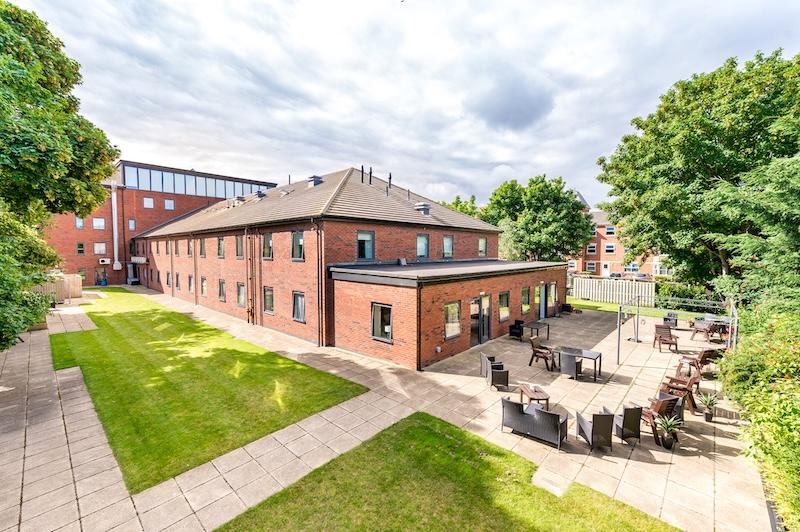
At Hesketh Park Lodge, we offer a purpose-built environment that is designed to support residents in continuing to do the things they love with confidence and ease. Alongside our familiar and clearly signposted living spaces, we offer comfortable snugs, landscaped gardens, a bistro, a cinema room and much more. Regardless of what our residents living with dementia are interested in, there's something for them to enjoy every day
We are here for you every step of the way, whether that is offering an in-person tour, answering any questions you have or simply providing support. Contact us today to arrange a visit and see how we can provide the best quality of care for your loved one.