What is Respite Care for the Elderly?
Caring for an older loved one can be rewarding, but it can also be demanding.
Because many may balance supporting loved ones with other commitments or work, responsibilities involving care can become both physically and emotionally overwhelming. Over time, family members may find that they need additional short-term support in an environment where their loved one can be supported with their personal and medical needs. Respite care in Southport offers a flexible solution, providing a break for caregivers and temporary care in a safe and supportive setting while ensuring that residents continue to receive the attention they need.
In this blog, we will explore what respite care for the elderly involves, the different ways it can be provided, and how it can support both you and your loved one.
Understanding Respite Care for Older Adults
Respite care for the elderly is short-term care that is arranged to allow family members to take a break from their caring responsibilities while also knowing that their loved one is safe and properly supported. It is designed to support residents over a period of time, which can range from a few weeks to a couple of months, depending on individual circumstances.
Respite care in a care home in Ormskirk can take many different forms, such as scheduled short-term stays or emergency care because of illness or unanticipated personal events. During respite care, residents will receive personalised support from experienced carers who are trained to support older adults with a variety of needs and provide peace of mind to loved ones.
Respite Care also provides additional support during rehabilitation before returning home after hospital visits or illnesses. While respite helps with a rehabilitation process, it also offers an opportunity for older adults to experience life in a care home, giving them the chance to socialise with other residents and staff.
Although temporary, respite care is delivered with the same level of attention and professionalism as long-term care. Residents receive personalised support that reflects their individual needs, helping them feel comfortable and secure throughout their stay.
Types of Respite Care for the Elderly
Respite care services are adapted to suit a wide range of needs, making it a flexible option for many families. Some individuals benefit from a short stay in a care home, where they can access round-the-clock support in a welcoming environment, while also enjoying the companionship and sense of community that comes from spending time with other residents. This can help reduce feelings of isolation and support emotional well-being, particularly for older adults who live alone, and all aspects of well-being are managed by professional care staff. Others may receive live-in support if they prefer to remain in their own home, with carers visiting for a few hours to assist with daily tasks.
Care homes also provide emergency respite care for people who need it. This is especially crucial when residents or carers are dealing with unexpected illnesses, hospital stays, or other urgent responsibilities. Even in situations where urgent arrangements are required, emergency respite care guarantees that everyone can enjoy peace of mind that residents will be supported to the highest degree.
Different Care Home Settings for Respite Support
Short-term respite care in a residential care home provides residents with access to personal care and social opportunities, all within a structured setting.
For those with more complex health needs, care homes that provide nursing care can offer additional support from qualified nurses. Residents benefit from professional oversight of day-to-day health needs.
Dementia respite care is also available for individuals living with cognitive impairments. A familiar and supportive environment can make the transition into temporary care less overwhelming, while specialist staff provide tailored assistance throughout their stay.
What is Included During a Respite Stay?
Regardless of how long someone receives respite care for, they can enjoy the same level of care and activities on offer as long-term residents.
Every individual will have their own private bedroom, daily meals cooked, laundry and housekeeping services and access to communal areas for social interaction. Personal care is also provided, which includes assistance with dressing, washing, medication reminders and mobility.
Care homes in Ormskirk provide personalised support in accordance with each person's care plan, which is built in collaboration with residents and their loved ones ahead of the start of their respite stay. Their preferences, medical needs, typical routines, life history and dietary requirements will all be included in the care plan. Professional teams have experience in handling various levels of needs, promoting well-being and creating a friendly atmosphere for people receiving respite care.
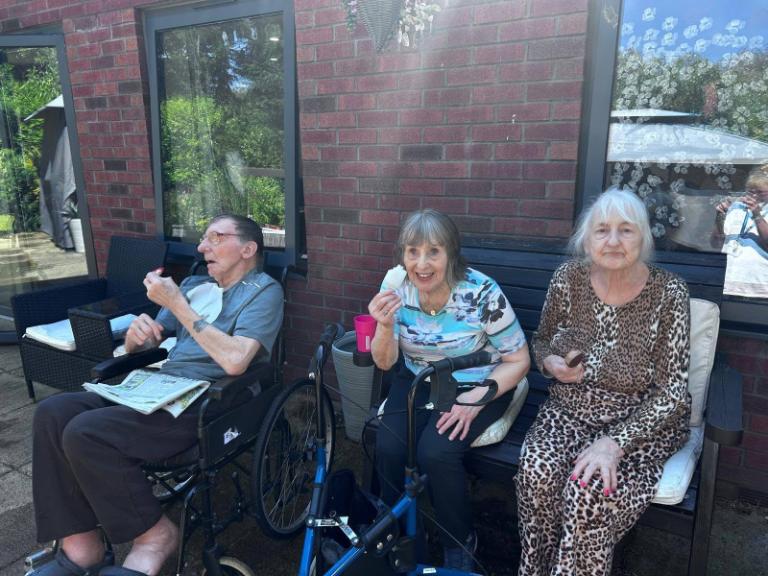
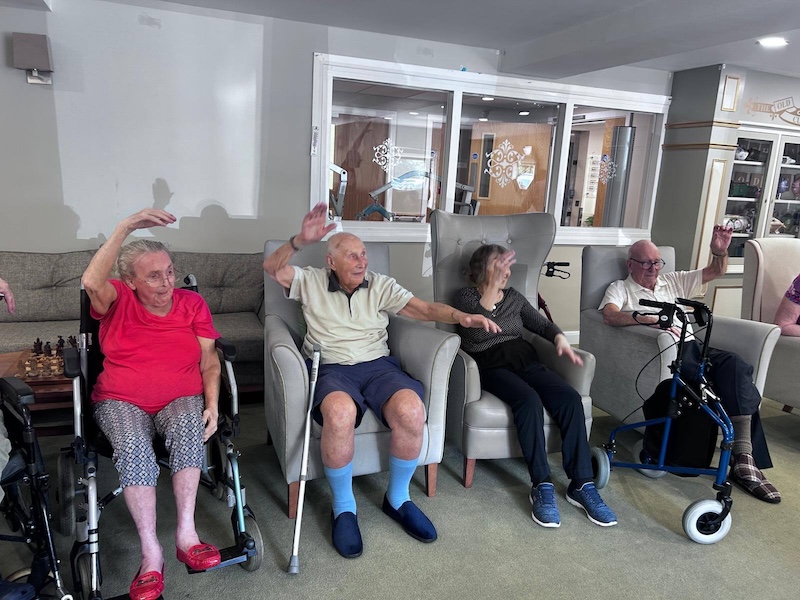
While an all-inclusive home offers extra amenities, such as hairdressers or outings as part of the care package, respite residents can also take advantage of activities and events that provide social engagement.
What are the Benefits of Respite Care?
The benefits of respite care extend to both residents and carers. Family members who provide full-time care for older adults tend to look for respite care because they need a break to relax or manage other aspects of their own lives. For residents, a temporary stay in a care home can provide access to professional support, as well as opening up opportunities for social interaction in a safe environment where their needs are met.
Many residents find that a change of environment can bring a sense of comfort, particularly when they are supported by a dedicated team that takes the time to understand their needs and preferences. Engaging with other residents and taking part in daily life can also support emotional well-being and help reduce feelings of isolation. For some individuals, a respite stay is an important step in transitioning to a care home for the first time if a long-term stay is imminent, and it can be used as a 'trial period' to see whether a particular home is best suited for them.
For family members, respite care offers peace of mind. Knowing that a loved one is receiving high-quality care allows them to focus on their own well-being and spend quality time in a more relaxed way. This balance can be important in maintaining long-term caregiving relationships.
Planning a Respite Care Stay
Arranging respite care usually begins with an assessment to understand the level of support a loved one needs. This may involve a needs assessment carried out by the care provider or, in some cases, through the local authority or local council. Researching care homes in your area that offer respite care is another initial step when looking for options. Many care homes offer visits and tours for care seekers, which will allow you to get a true, first-hand experience of the atmosphere and care provided. It is important to ask questions about the respite care options available and the support staff can provide, while also observing how staff interact with residents to gain a better understanding of the home.
In regard to cost, respite care will vary based on the type and length of the stay, as well as the individual’s personal needs. Some families choose to arrange respite care privately, while others may explore financial help depending on their circumstances. A financial assessment may be required if support is being accessed through local services.
Since the need for high-quality respite care frequently rises during busy periods like holidays, planning is especially beneficial. Planning for respite care in advance, wherever possible, can be helpful. But, in case of an emergency, it is important to find out if the home provides last-minute respite care.
A Supportive Approach to Short-Term Care at Hesketh Park Lodge
Understanding what respite care involves can provide reassurance when considering short-term support. At Hesketh Park Lodge Care Home in Southport, we offer respite care services that are designed to provide comfort and peace of mind for both residents and families.
Our respite care ensures a welcoming environment where residents can focus on doing the things they enjoy most while receiving high-quality support. Whether care is needed following a hospital discharge, during a carer's break, or at short notice, our dedicated team is here to help.
We provide residential care, nursing care, dementia care and respite care services, all tailored to our residents' individual needs. Regardless of how long someone stays with us for, our experienced team are here to support residents and their loved ones every step of the way.
At Hesketh Park Lodge, we understand that even a short stay should feel reassuring and positive. From comfortable surroundings to carefully planned daily life, we aim to create an environment where residents feel at ease from the moment they arrive.
If you are considering respite care in Southport and would like to learn more about how we can support you, we invite you to contact us today. Our team is here to answer your questions, help you arrange respite care, and ensure that you and your loved one feel fully supported.