What Are The Benefits of Living in a Care Home?

Deciding where to live in later life is a significant choice, especially for those seeking a higher level of support or considering care options for a loved one. Care homes provide an environment where older people can enjoy peace of mind, daily care, companionship and security. Understanding the many benefits of a care home can help families make informed decisions and feel confident that the needs of their loved one will be met with compassion and professionalism.
Our Top 7 Care Home Benefits
Professional and Personalised Care
One of the most important things that care homes offer is continuous access to professional support. Teams of trained carers and qualified nurses are available around the clock, ensuring residents always have help on hand for their care needs. Whether an individual requires assistance with daily tasks such as dressing and mobility, or more complex nursing care, the right care is always available. Personalised care is provided for every resident, with care plans that are reviewed regularly and tailored to fit changing health needs.
Maintaining good health and managing long-term medical conditions can be challenging for older adults living alone. In a care home, medication management and medical care are overseen by knowledgeable staff. This means prescribed treatments are administered correctly and on time, helping to avoid missed doses and reducing the risk of complications. Residents living with cognitive impairment or disabilities also receive dedicated dementia care and other specialist support, ensuring that everyone can enjoy the highest standard of care.
A Safe, Supportive Environment
For older adults who require additional support, safety is one of the biggest concerns. Residential care homes are specifically designed to meet the needs of older people, with accessible layouts, emergency call systems and supportive equipment that help reduce the risk of falls or accidents. Residents benefit from a clean, welcoming environment and regular housekeeping, laundry services and on-site maintenance mean residents and their families never need to worry about chores or home upkeep.
Residents are encouraged to personalise their living space with favourite belongings and personal touches, which creates a genuine sense of home and comfort.
Social Interaction and Community
Social isolation and loneliness can have a serious impact on the well-being of elderly individuals, especially those living alone. Life in a care home offers companionship and daily opportunities for social engagement, reducing these risks and contributing to a better quality of life. Residents can spend time with friends, join group activities, or take part in special events and have the opportunity to both maintain and create new relationships. By offering a regular activities programme, residents are able to focus on doing the things they love most while the care home takes care of the rest.
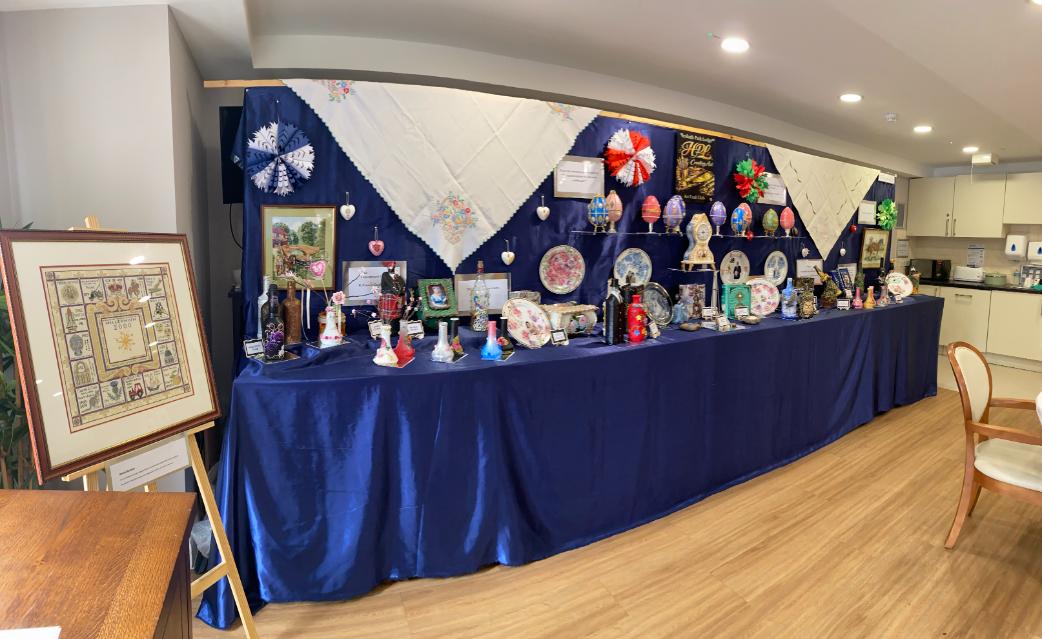
Group activities, crafts, quizzes, regular trips out and exercise classes are common features of an activities programme in many care homes. They are not only fun but also help support both physical and mental health. Social connections and structured daily routines also help to maintain cognitive abilities and provide a sense of belonging for every resident.
Nutritious Meals and Dietary Support
Access to regular, nutritious meals is another key benefit of living in a care home. For many older people, maintaining a balanced diet alone is difficult. Care homes offer home-cooked meals and grazing options, carefully planned to meet individual dietary needs and preferences. Chefs adapt menus for residents' dietary preferences, including health conditions, allergies, or special requirements. Mealtimes often become an important social occasion s they help residents build friendships and improve their relationship with food.
Qualified staff also ensure residents have access to drinks throughout the day, which supports their hydration and reduces risks of health problems such as urinary tract infections or confusion.

Relief and Reassurance for Families
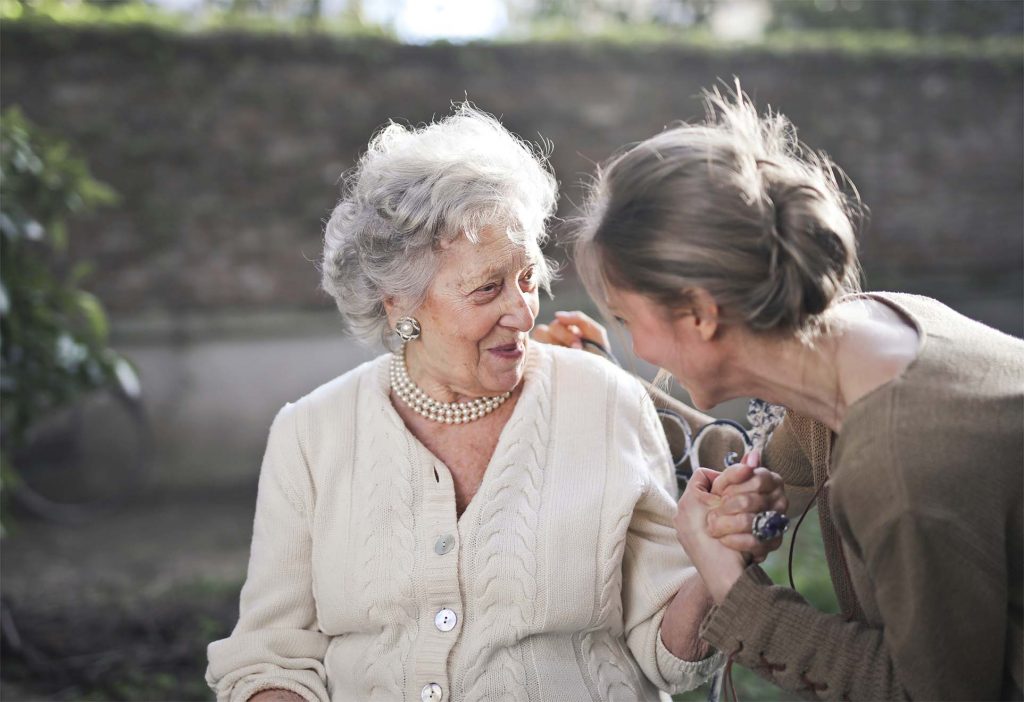
The decision to move into a care home is rarely straightforward, but the peace of mind that comes from knowing a loved one is safe and well cared for cannot be underestimated. Relatives can tend to their own responsibilities and not have to worry about their loved ones' safety, as personal care is available at any time, day or night. In a care home, families can focus on their relationships and enjoy quality time together, free from the pressure of constant caregiving duties.
Many care homes encourage ongoing involvement from family and friends, welcoming visits and participation in the life of the community. This helps maintain family bonds and ensures loved ones feel supported every step of the way.
Access to Specialist and Nursing Care
For residents with changing needs or who require more support, such as those requiring nursing or dementia care, living in a care home ensures continued access to skilled staff and resources. Nursing homes and residential care homes with nursing staff can provide medical care for chronic conditions and disabilities, change care plans as necessary, and monitor health with regular check-ups. Trained carers are also able to offer rehabilitation, support after hospital stays and organise access to external care services as needed.
On top of the person-centred care services, residents will have access to facilities made to support their overall well-being. From comfortable lounges and accessible gardens to reminiscence activities and pamper sessions, residents can continue to lead the life they deserve while receiving around-the-clock support.
Encouraging Independence and Personal Growth
Care homes are dedicated not only to meeting the daily needs of residents, but also to empowering them to maintain independence and develop new interests. Residents are encouraged to take part in meaningful activities and daily tasks that foster confidence and a sense of accomplishment. Opportunities such as gardening, light exercise, arts and crafts and group activities are adapted to different abilities and give residents something to be proud of and show to loved ones or visitors.
Staff work closely with residents to understand their personal preferences and provide gentle encouragement to try new things. Whether it is sharing skills with other residents, learning something fresh, or revisiting lifelong hobbies, the supportive environment found in a care home nurtures growth and feeds curiosity. By focusing on independence and self-development, care homes inspire a positive outlook and help residents feel valued each day.
Life at Hesketh Park Lodge Care Home
At Hesketh Park Lodge Care Home in Southport, we deliver residential, nursing, dementia, and respite care in a tailored environment, ensuring we meet the diverse needs of our residents and their families. When they move in, every resident is provided with a personalised care plan and has unlimited access to nutritious meals, regular activities and all the benefits of care home living. We have several highly trained care assistants and qualified nurses on hand who provide expert support every hour of the day and help residents to maintain their independence and quality of life.
Our home offers peace of mind, companionship and a genuine sense of community by combining modern facilities with compassionate care tailored to every individual. For those seeking a first-class care home in Merseyside, book a tour at Hesketh Park Lodge and see for yourself what makes us so special.